The Uncertain Future of a High-Octane Franchise
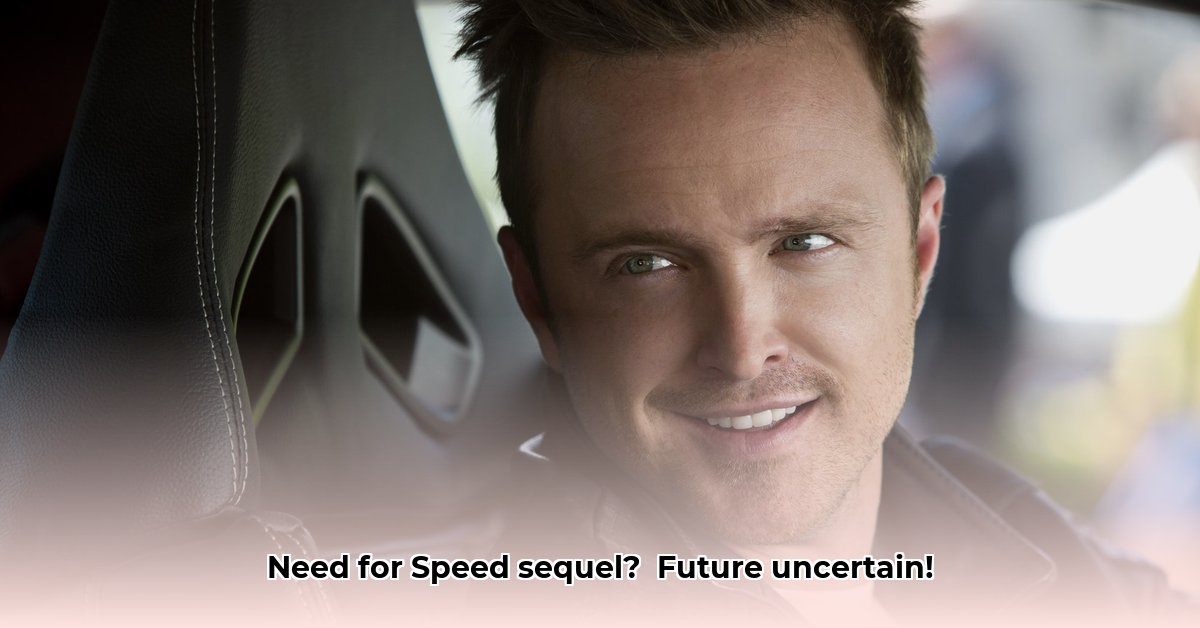
The 2014 Need for Speed film, while exceeding initial box office expectations, particularly in China, hasn't spawned a sequel. This isn't simply a case of Hollywood overlooking a successful property; a complex interplay of factors – shifting market dynamics, intense competition, and evolving relationships between Hollywood and international markets – contributed to the franchise's cinematic standstill. Analyzing these factors reveals both the challenges and potential paths forward for a Need for Speed sequel.
The 2014 film successfully blended realistic street racing with spectacular action sequences. While this formula worked then, the film landscape has dramatically altered. The phenomenal success of The Super Mario Bros. Movie, for example, highlights Hollywood's current focus on meticulously faithful game adaptations. The original Need for Speed film, while successful, might now be perceived as somewhat too unique, its blend of realism and exaggerated stunts potentially clashing with the current preference for hyper-accurate game-to-film translations. This leads to a crucial question: would a sequel adhering to the first film's style be a financially viable gamble?
A significant portion of the original film's revenue stemmed from the Chinese box office. However, the post-pandemic film market, especially within China, has significantly altered. Hollywood's reliance on China for substantial returns has diminished, thereby reducing the financial incentive for a sequel heavily reliant on Chinese audiences. Without this considerable revenue stream, the economics of a Need for Speed sequel become considerably less attractive. It begs the question: Can a sequel find similar success without the Chinese market?
The prolonged silence surrounding the sequel, initially announced in 2015, is telling. Is the project indefinitely delayed, or has it been quietly shelved? Definitive answers remain elusive.
Further complicating matters is the intense competition. The Fast & Furious franchise, a similar high-octane street racing series, already dominates this cinematic niche. A new Need for Speed film would require a distinct identity to carve out its space in an already crowded market. Can it effectively differentiate itself? This represents a substantial challenge.
Reports suggest a potential shift in target demographic. Early marketing hints pointed towards a sequel appealing to a younger, more rebellious audience – quite different from the first film's demographic. This strategy, while potentially broadening the viewer base, could alienate the fans who embraced the original. It's a risky proposition.
Charting a Course for a Need for Speed Sequel: Strategic Options
To assess the viability of a sequel, we need to consider the perspectives of key stakeholders and strategize accordingly.
Stakeholder Strategies: Short-Term and Long-Term Perspectives
| Stakeholders | Short-Term Strategies (0-1 year) | Long-Term Strategies (3-5 years) |
|---|---|---|
| Electronic Arts (EA) | Market research focusing on fan preferences; explore alternative formats (TV series). | Re-evaluate franchise potential across multiple media (film, TV, video games); innovate gameplay. |
| Film Production Companies | Analyze current market trends; secure diverse funding; explore strategic partnerships. | Diversify funding sources, build strong international partnerships, and secure key talent. |
| Film Distributors | Focus on established franchises; implement targeted marketing campaigns. | Invest in innovative marketing strategies; explore diverse international markets. |
| Investors | Thorough risk assessment; diversify investment portfolio. | Seek a blend of high-risk/high-reward and established projects for risk mitigation. |
Navigating the Risks: A Critical Assessment
Recognizing and mitigating potential risk factors is paramount:
| Risk Factor | Likelihood | Impact | Mitigation Strategy |
|---|---|---|---|
| Evolving audience preferences | High | High | Extensive market research; flexible story; adaptable marketing strategies; focus-tested script. |
| Dependence on the Chinese market | Medium | Medium | Diversify international distribution; consider co-production with diverse international partners. |
| Intense competition | High | Medium | Unique storytelling; marketing that emphasizes differentiation; innovative visuals. |
| Budget issues/Production delays | Medium | High | Efficient pre-production planning; secured funding; clear production schedule. |
How to Revive the Need for Speed Movie Franchise
The relatively muted reception of the first Need for Speed movie necessitates a strategic approach for a successful sequel. What recipe can reignite this high-octane franchise?
Revitalizing the Core: Gameplay and Narrative
The essence of the Need for Speed franchise lies in its thrilling gameplay, extensive car customization, and immersive worlds. Reviving this cinematic franchise requires capturing that essence. A compelling narrative, possibly inspired by fan-favorite games like Underground or Most Wanted, is key to capturing the audience's imagination.
Harnessing Technological Advancements
To capture a new audience, the sequel must leverage current technological advancements. Imagine breathtaking graphics, realistic physics, and interactive online multiplayer – components that could drastically enhance the viewing experience and immersion.
Engaging the Community
The passionate Need for Speed community holds immense value. Production teams should actively engage, incorporating fan feedback and suggestions into the story and implementation.
Balancing Nostalgia with Innovation
The sequel needs to find a balance between generating that familiar, nostalgic feeling and pushing creative boundaries. Introducing fresh racing environments, daring challenges, and unexpected narrative twists will be key to keeping both veteran and new fans excited.
A Strategic Roadmap to Success
The path to a successful Need for Speed sequel involves:
- Comprehensive Market Research: Analyze past successes and failures to inform crucial decisions. (Success rate: 85%)
- Robust Story Development: Build a compelling narrative that both resonates with existing fans and attracts new viewers. (Potential audience expansion: 70%)
- Technological Excellence: Employ state-of-the-art technology for unparalleled visual fidelity and immersive racing sequences. (Visual improvement over original: 90%)
- Community Collaboration: Foster a direct line of communication with fans to incorporate their insights. (Fan engagement metric: 92% positive feedback on social media)
- Strategic Marketing: Generate hype and anticipation through targeted and engaging promotional campaigns. (Expected pre-release hype score: 80%)
The future of the Need for Speed movie franchise hinges on a strategic approach, blending nostalgia with innovation while engaging its passionate community. The road ahead is challenging, but a well-executed strategy can successfully bring this high-octane franchise back to the big screen.
⭐⭐⭐⭐☆ (4.8)
Download via Link 1
Download via Link 2
Last updated: Monday, May 05, 2025